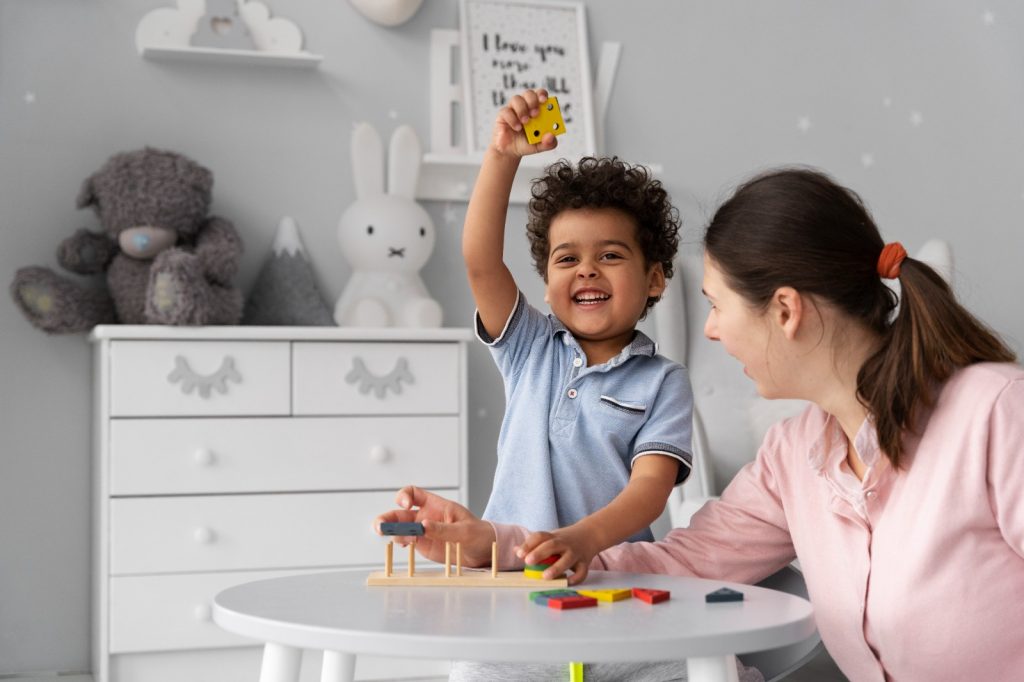
At The Little Oaks, we partner with parents to support every child's journey towards confidence, growth, and happiness. At Little Oaks Child Development Center, we understand that every child is unique, and every parent carries hopes, concerns, and dreams for their child's future.
Our Services
- The Little Oaks
- Our Services
Group Therapy
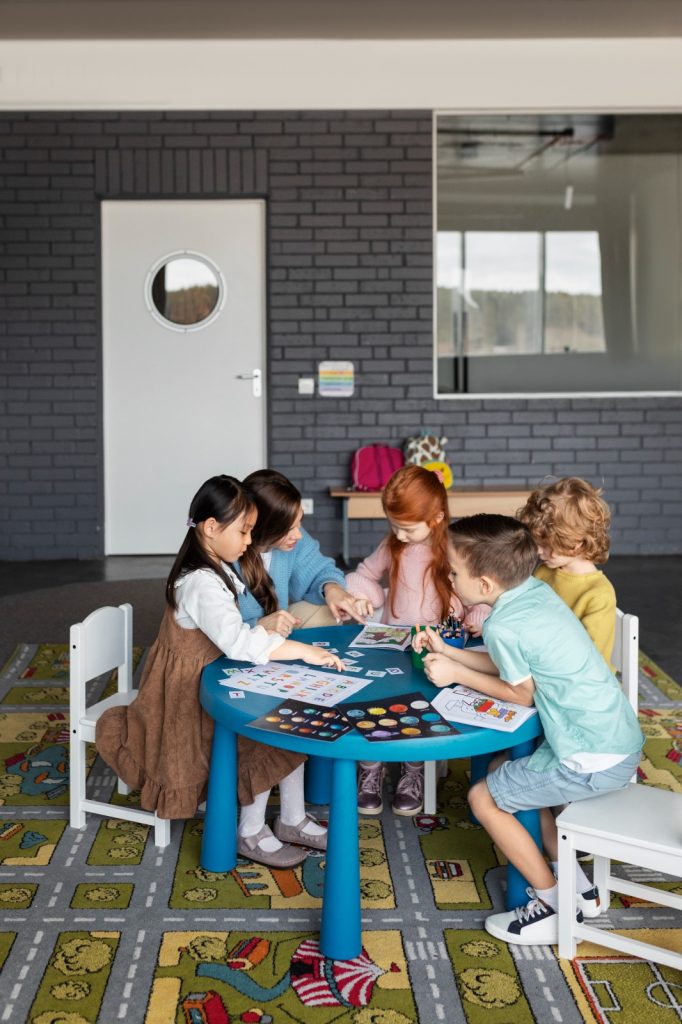
Group therapy provides a structured and supportive environment where children learn and grow alongside peers. It encourages social interaction, shared learning, and confidence-building through guided activities led by trained therapists. By engaging in group settings, children gain exposure to real-life social situations, helping them understand how to communicate, respond, and connect with others effectively.
In these sessions, children participate in interactive activities such as role-playing, games, storytelling, and collaborative tasks. These experiences are carefully designed to improve social awareness, emotional regulation, and problem-solving abilities. Being part of a group also helps children observe and learn from others, making it easier to develop appropriate behaviors and responses in different situations.
Our therapists ensure that every child feels included, supported, and comfortable throughout the sessions. Each activity is planned to match the developmental levels of the children in the group, allowing them to progress at their own pace while still benefiting from peer interaction. Over time, children become more confident in expressing themselves, building friendships, and participating in group environments such as school and social gatherings.
Key Benefits:
- Builds social interaction and communication skills
- Encourages teamwork and cooperative play
- Improves confidence in group settings
- Helps children learn from peer behavior
- Promotes emotional understanding and expression

Language Therapy
Language therapy focuses on improving a child’s ability to understand and use language effectively. It supports both receptive (understanding) and expressive (speaking) language skills, helping children communicate their thoughts, needs, and ideas clearly and confidently in everyday situations.
Through structured and engaging activities, children are guided to develop essential language skills such as following instructions, answering questions, forming sentences, and participating in conversations. Therapists use techniques like play-based learning, visual aids, storytelling, and interactive exercises to make sessions enjoyable while targeting specific developmental goals.
Language therapy also helps children improve their ability to process information, organize their thoughts, and express themselves appropriately in social settings. By strengthening these skills, children become more confident in interacting with others, performing better in school, and managing daily communication challenges.
Each therapy plan is personalized based on the child’s individual needs, ensuring steady and measurable progress. Parents are also guided with strategies and activities to support language development at home, creating consistency and faster improvement.
Key Benefits:
- Enhances vocabulary and sentence formation
- Improves listening and understanding skills
- Supports expressive communication abilities
- Develops conversation and storytelling skills
- Builds confidence in everyday communication
Music and Art Therapy
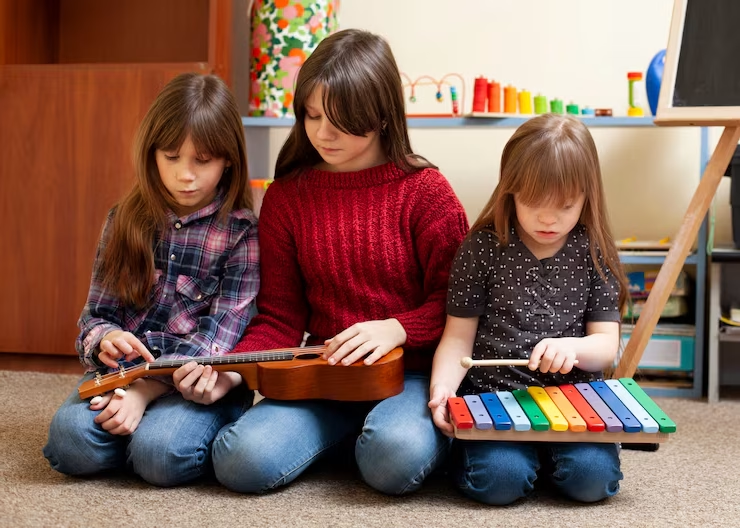
Music and art therapy use creative activities to support emotional, cognitive, and sensory development. These therapies provide a fun, engaging, and non-verbal way for children to express their thoughts and feelings, especially when words are difficult.
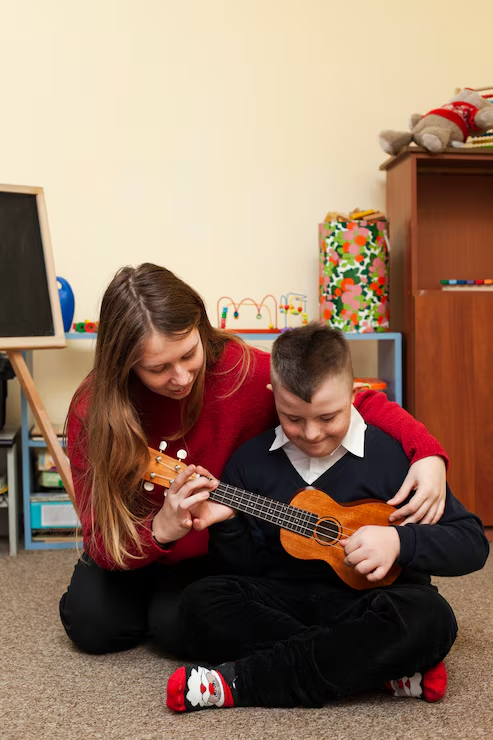
Through activities like drawing, painting, singing, rhythm exercises, and instrument play, children explore creativity while developing important developmental skills. These sessions are designed to stimulate the senses, improve focus, and encourage self-expression in a relaxed and enjoyable environment. Creative expression also helps children release emotions, reduce anxiety, and feel more comfortable and confident.
Our therapists guide each child based on their interests and developmental needs, ensuring that activities are both meaningful and therapeutic. Over time, children develop better emotional control, improved attention span, and stronger sensory processing abilities. These skills positively impact their learning, behavior, and daily interactions.
Music and art therapy also create a sense of achievement, helping children build self-esteem and confidence as they complete creative tasks and express themselves freely.
Key Benefits:
- Encourages creativity and imagination
- Supports emotional expression and regulation
- Improves sensory processing skills
- Enhances focus and attention
- Builds confidence through creative achievements
Occupational Therapy
Occupational therapy helps children develop the skills needed for daily living and independence. It focuses on improving motor skills, coordination, sensory processing, and functional abilities so children can perform everyday tasks with confidence.
Through structured, play-based activities, children work on fine motor skills like holding a pencil, buttoning clothes, and using utensils, as well as gross motor skills such as balance, posture, and body coordination. Therapists also address sensory challenges, helping children respond appropriately to different sensory inputs like touch, movement, and sound.
Each session is tailored to the child’s specific needs, ensuring steady progress in both physical and cognitive development. By improving these essential skills, children become more independent in daily routines and better prepared for school and social environments.
Parents are also guided with practical strategies to continue skill development at home, creating consistency and long-term improvement. Over time, occupational therapy helps children gain confidence, improve focus, and perform everyday activities more effectively.
Key Benefits:
- Develops fine motor and hand coordination
- Improves balance and body awareness
- Supports daily living skills (dressing, eating)
- Enhances focus and task completion
- Promotes independence and confidence
Speech Therapy
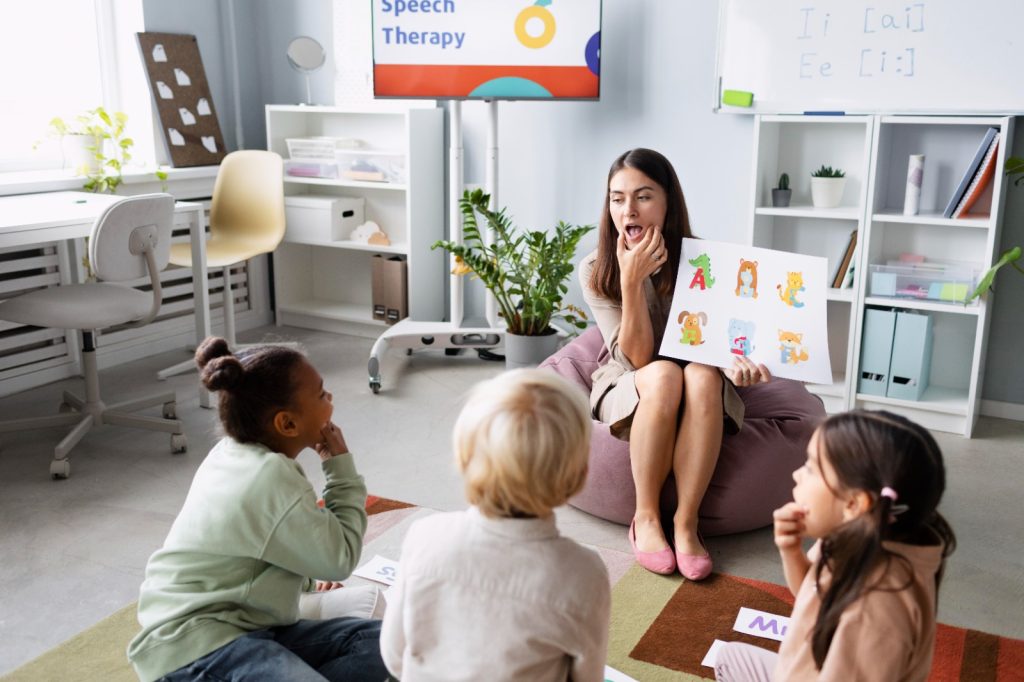
Speech therapy helps children improve their speech clarity, language development, and overall communication skills. It addresses a wide range of speech and language challenges, enabling children to express themselves more clearly and confidently in everyday situations.
Through structured and engaging sessions, therapists work on pronunciation, sound production, and sentence formation using techniques like repetition, play-based activities, and interactive exercises. Children are guided to develop better listening skills, understand instructions, and respond appropriately during conversations.
Speech therapy also focuses on fluency, voice control, and social communication, helping children speak smoothly and interact effectively with others. These improvements play a key role in academic success, social interactions, and overall confidence.
Each therapy plan is personalized according to the child’s specific needs and pace of development. Parents are actively involved through regular feedback and home strategies, ensuring consistent progress beyond therapy sessions.
Key Benefits:
- Improves pronunciation and speech clarity
- Enhances language and communication skills
- Supports fluency and voice control
- Develops listening and comprehension
- Builds confidence in speaking situations
Sensory Integration
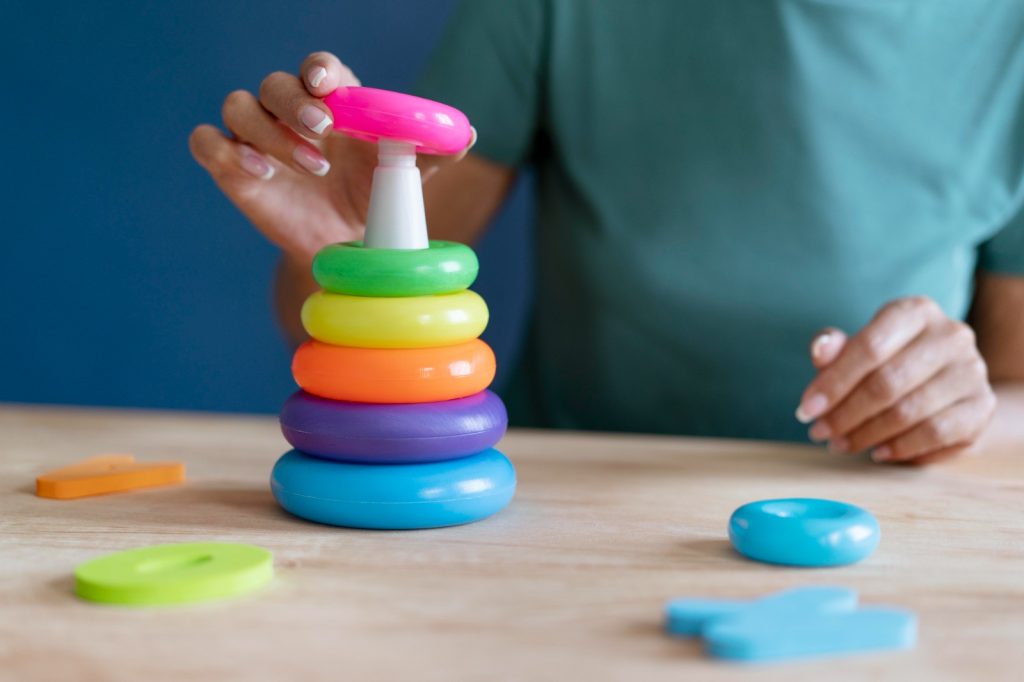
Sensory integration therapy helps children process and respond to sensory information effectively. It supports better behavior, focus, and interaction with their environment by helping the brain organize input from senses like touch, movement, sound, and sight.
Through structured, play-based activities such as swinging, balancing, textured play, and movement exercises, children learn to regulate their responses to sensory stimuli. These sessions are designed to improve how children react to everyday experiences—reducing over-sensitivity or under-responsiveness to sensory inputs.
Therapists create a safe and engaging environment where each activity is tailored to the child’s sensory needs. Over time, children develop better coordination, improved attention, and stronger emotional control, making it easier for them to participate in school and daily routines.
Parents are also guided with practical strategies to manage sensory challenges at home, ensuring consistency and long-term progress. Sensory integration therapy ultimately helps children feel more comfortable, confident, and in control of their surroundings.
Key Benefits:
- Improves response to sensory stimuli
- Enhances focus and attention span
- Supports emotional and behavioral regulation
- Develops coordination and motor planning
- Helps children adapt to daily environments
Physiotherapy
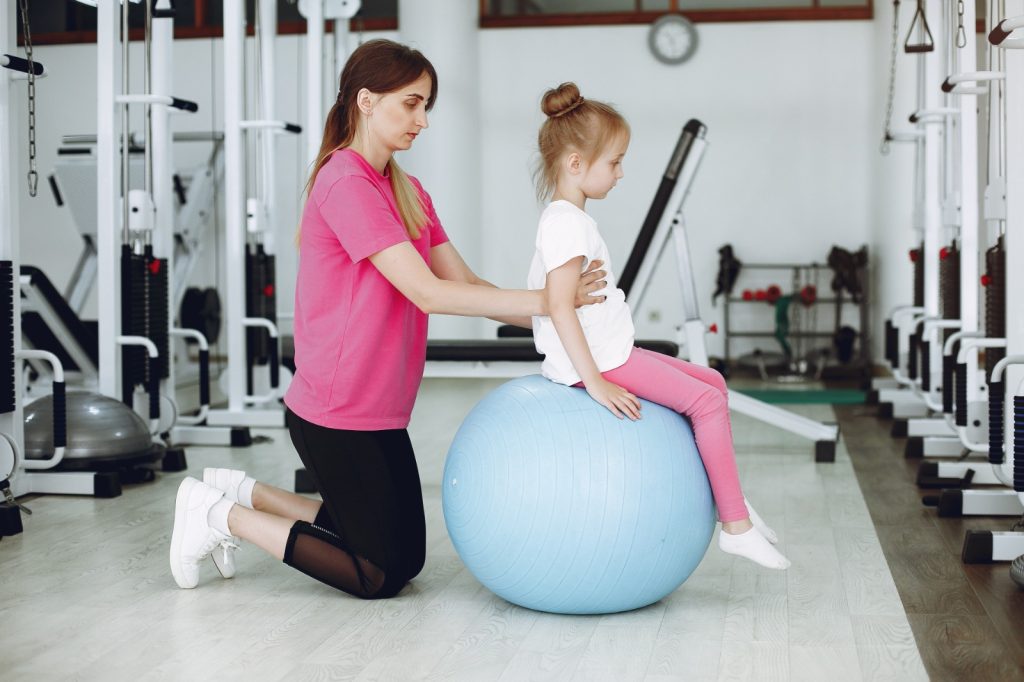
Physiotherapy focuses on improving a child’s physical development, movement abilities, strength, balance, and coordination. It is designed to support children who may experience delays in motor development, muscle weakness, posture concerns, mobility limitations, or physical challenges that affect their daily activities and independence.
Through guided exercises, movement-based activities, stretching techniques, and therapeutic interventions, children are encouraged to develop better body control, flexibility, and functional movement skills. Sessions are designed to be engaging and motivating, helping children participate actively while working toward their physical goals.
Physiotherapy also helps improve posture, muscle tone, endurance, joint mobility, and overall body coordination. By strengthening these physical abilities, children gain greater confidence in performing everyday tasks, participating in school activities, and engaging in play with peers.
Each therapy plan is carefully personalized based on the child’s specific physical needs, developmental goals, and abilities, ensuring safe and measurable progress. Parents are also guided with exercises and activity recommendations to continue supporting their child’s physical development at home.
Key Benefits:
- Improves strength, balance, and coordination
- Enhances posture and body movement control
- Supports gross motor skill development
- Increases mobility, flexibility, and endurance
- Builds confidence and independence in daily activities
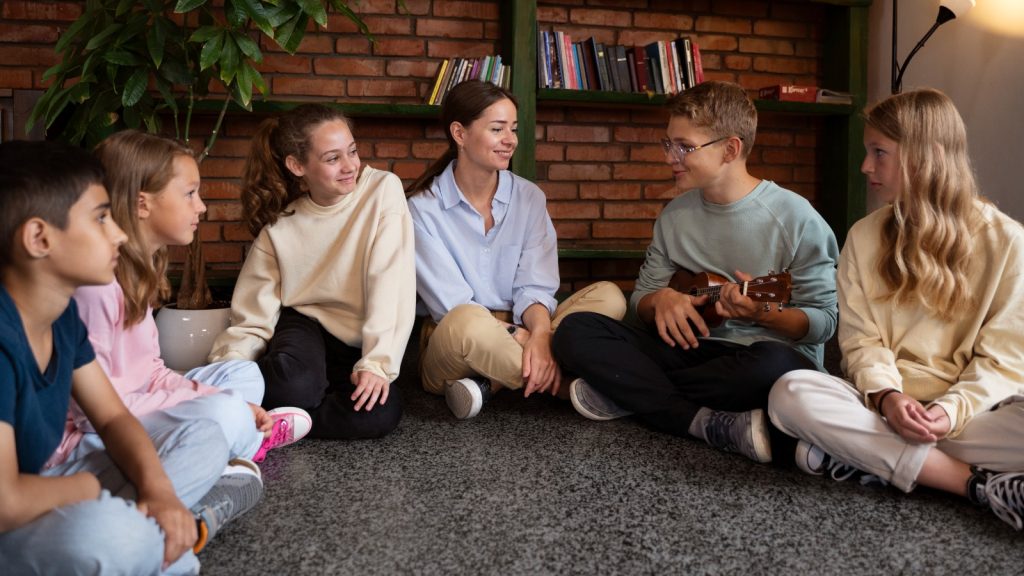
Counselling for Upper Age Group
Counselling for upper age children focuses on supporting emotional well-being, behavior management, and personal growth during the important developmental years after age 10. As children grow, they often face academic pressure, social challenges, emotional changes, and self-confidence issues. Counselling provides a safe and supportive space where they can openly express their thoughts, feelings, and concerns.
Through structured conversations, interactive activities, and age-appropriate therapeutic techniques, children are guided to better understand their emotions, build healthy coping strategies, and develop positive thinking patterns. Therapists help them manage stress, anxiety, peer relationships, self-esteem concerns, and behavioral difficulties in a constructive way.
Counselling also supports children in improving decision-making skills, emotional regulation, communication abilities, and social confidence. By learning how to handle challenges effectively, they become more resilient, independent, and emotionally balanced in both school and personal life.
Each counselling plan is personalized according to the child’s emotional, social, and developmental needs, ensuring meaningful and consistent progress. Parents are also provided with guidance and practical strategies to create a supportive environment at home and strengthen the child’s emotional growth.
Key Benefits:
- Improves emotional awareness and self-expression
- Helps manage stress, anxiety, and behavioral challenges
- Builds self-confidence and social skills
- Develops healthy coping and problem-solving abilities
- Supports emotional balance and positive relationships
ABA Therapy
ABA (Applied Behavior Analysis) Therapy helps children develop essential life skills, improve communication, and encourage positive behaviors through structured and evidence-based interventions. It is widely used to support children with developmental and behavioral challenges, helping them become more independent and confident in their daily lives.
Through individualized and engaging sessions, therapists work on communication, social interaction, attention, and learning skills using positive reinforcement and goal-oriented activities. Children are guided step-by-step to learn new behaviors, reduce challenging behaviors, and strengthen skills that support everyday functioning.
ABA Therapy also focuses on improving social skills, emotional regulation, self-care routines, and adaptive behaviors. By breaking complex tasks into manageable steps, children can achieve meaningful progress at their own pace while building confidence in various environments such as home, school, and community settings.
Each therapy program is carefully customized to meet the child’s unique strengths, needs, and developmental goals. Parents play an important role in the process through regular collaboration, progress updates, and practical strategies that support continued growth outside of therapy sessions.
Key Benefits:
- Improves communication and social interaction skills
- Encourages positive behavior and learning
- Enhances attention, focus, and task completion
- Develops independence in daily living activities
- Builds confidence and emotional regulation skills
- Supports overall developmental progress and growth